Consideration Of Camera
Because we are doing our stop motion animation using a whiteboard and marker there isn't a wide range of camera angles we can consider. We can only use one which will be a close up of the whole whiteboard. We will have to keep the camera in a steady angle though without any form of movement as it could effectively ruin the whole thing as it will be out of place and quite possibly the light may change. We have considered that the light will change as the filming will take longer than a day so the sun shining through the windows changes all the time so the way we have overcome this is to use a lamp shining straight on the whiteboard whilst the camera is on a tripod taking photos of each stage. What we will have to do is change the size of the drawings we are putting onto the screen in order to make it look like the camera angle is changing etc.


EWS (Extreme Wide Shot)
The view is so far from the subject that he isn't even visible. Often used as an establishing shot.

VWS (Very Wide Shot)
The subject is visible (barely), but the emphasis is still on placing him in his environment.

WS (Wide Shot)
The subject takes up the full frame, or at least as much as comfortably possible.
AKA: long shot, full shot.

MS (Mid Shot)
Shows some part of the subject in more detail while still giving an impression of the whole subject.

MCU (Medium Close Up)
Half way between a MS and a CU.

CU (Close Up)
A certain feature or part of the subject takes up the whole frame.

ECU (Extreme Close Up)
The ECU gets right in and shows extreme detail.
Variation: Choker

Cut-In
Shows some (other) part of the subject in detail.

CA (Cutaway)
A shot of something other than the subject.

Two-Shot
A shot of two people, framed similarly to a mid shot.

(OSS) Over-the-Shoulder Shot
Looking from behind a person at the subject.

Noddy Shot
Usually refers to a shot of the interviewer listening and reacting to the subject.

Point-of-View Shot (POV)
Shows a view from the subject's perspective.

Weather Shot
The subject is the weather. Can be used for other purposes, e.g. background for graphics.
Although we aren't using a range of camera angles we have still taken it into consideration what type of camera shots are available like the ones below;
EWS (Extreme Wide Shot)
The view is so far from the subject that he isn't even visible. Often used as an establishing shot.
VWS (Very Wide Shot)
The subject is visible (barely), but the emphasis is still on placing him in his environment.
WS (Wide Shot)
The subject takes up the full frame, or at least as much as comfortably possible.
AKA: long shot, full shot.
MS (Mid Shot)
Shows some part of the subject in more detail while still giving an impression of the whole subject.
MCU (Medium Close Up)
Half way between a MS and a CU.
CU (Close Up)
A certain feature or part of the subject takes up the whole frame.
ECU (Extreme Close Up)
The ECU gets right in and shows extreme detail.
Variation: Choker
Cut-In
Shows some (other) part of the subject in detail.
CA (Cutaway)
A shot of something other than the subject.
Two-Shot
A shot of two people, framed similarly to a mid shot.
(OSS) Over-the-Shoulder Shot
Looking from behind a person at the subject.
Noddy Shot
Usually refers to a shot of the interviewer listening and reacting to the subject.
Point-of-View Shot (POV)
Shows a view from the subject's perspective.
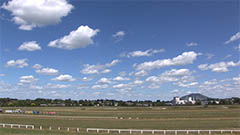
Weather Shot
The subject is the weather. Can be used for other purposes, e.g. background for graphics.

No comments:
Post a Comment